Legal Assistance and Evidence Collection in Forex Fraud Cases
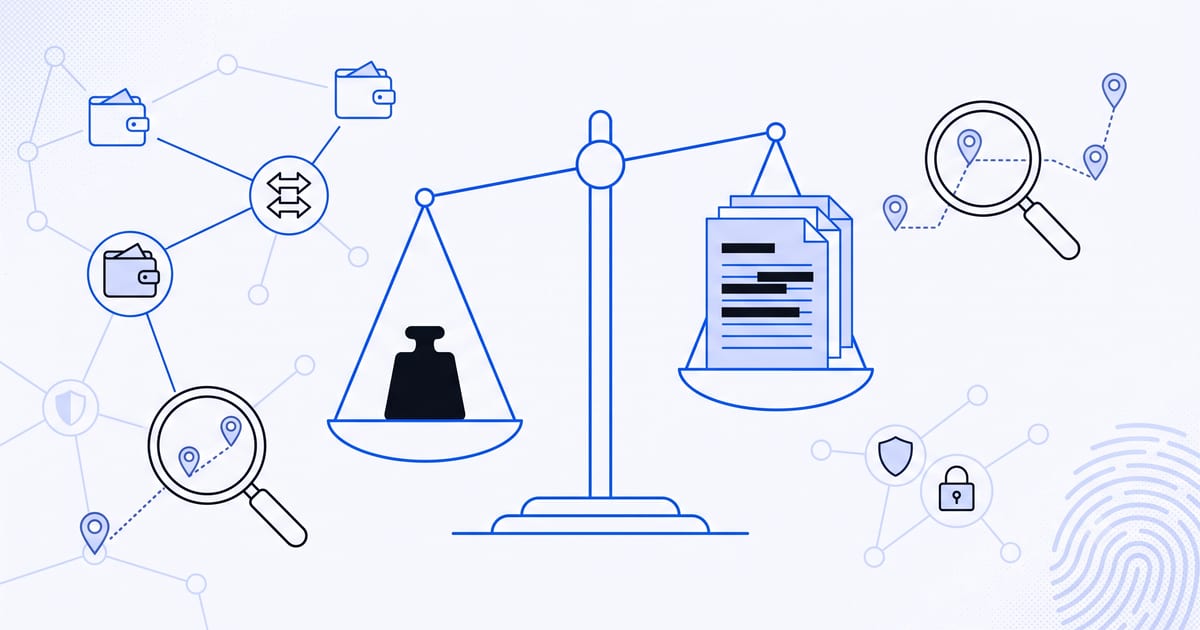
Winning a forex fraud case — whether civil or criminal — comes down almost entirely to the quality of your evidence. Blockchain forensics has transformed what's possible, but the evidence needs to be collected correctly from the start.
The Legal Landscape for Forex Fraud in the USA
Forex fraud cases in the United States can be pursued through multiple legal channels simultaneously:
Criminal channels: If your case involves a US-based actor or funds that touched a US exchange, law enforcement and the CFTC can pursue criminal prosecution. Sentences for large-scale crypto fraud in the US now routinely exceed 10 years.
Civil litigation: You can sue the fraudsters and any intermediaries (exchanges, payment processors) in federal court. Civil suits allow asset seizure and can be pursued even if criminal charges haven't been filed.
Regulatory action: The CFTC and SEC can freeze assets and issue disgorgement orders against fraudulent forex operations, which can result in partial restitution to victims.
Exchange dispute resolution: Major exchanges like Coinbase and Binance have internal processes for fraud disputes that, when approached with proper forensic evidence, can result in frozen funds being returned.
Critical Evidence to Collect Immediately
Blockchain evidence (highest priority): - Every transaction ID (TXID) for transfers you made - All wallet addresses you sent funds to - Screenshots from your exchange showing transaction history - Any wallet addresses provided to you by the scammer
Platform evidence: - Full screenshots of the trading platform, including URL bar - Your account login details and account number - Screenshots of your "balance", "profits", and any withdrawal attempts - Any withdrawal rejection notices or fee demands
Communications evidence: - Full exported chat logs from WhatsApp, Telegram, WeChat, or dating apps - All emails, including headers (which contain IP address information) - Voice and video call records if available - Any documents or contracts provided by the scammer
Financial records: - Bank statements showing all outgoing transfers - Crypto exchange records showing all purchases and transfers - Wire transfer receipts
How a Blockchain Forensic Report Can Support Your Case
A well-documented blockchain forensic report is a useful tool in a forex fraud case. Here's what it can provide:
Chain of custody documentation: A forensic report lays out the transaction trail from your original wallet to wherever the funds currently sit, in a structured, verifiable format.
Entity identification: Investigators work to identify which exchange, wallet cluster, or platform received your funds — giving your attorney or the regulator a concrete target.
Supporting documentation for your attorney: If you retain your own attorney, this report is something they can use directly. CoinTrace Pro is not a law firm and does not provide legal representation or expert witness testimony.
Exchange outreach: When a forensic report showing clear evidence is presented to a compliant exchange, some exchanges choose to review the account and take action — though this is at their discretion, not a legal guarantee.
Finding the Right Legal Help
Not all attorneys understand blockchain fraud. Look for lawyers with specific experience in: - Crypto and digital asset law - CFTC and SEC enforcement actions - International asset recovery
Resources for finding qualified legal help: - The American Bar Association's Cybercrime Committee maintains a directory of qualified attorneys - The CFTC's whistleblower office can sometimes assist victims in identifying legal resources - CoinTrace Pro works with a network of qualified attorneys and can provide referrals for cases requiring legal representation
Lost money to a scam?
CoinTrace Pro offers a free confidential case review. Our investigators respond the same day or next business day.
Last reviewed Sep 8, 2026 · Reviewed by our CEH-certified investigation team