Crypto Ponzi and Pyramid Schemes: How They Evolve and How to Spot Them
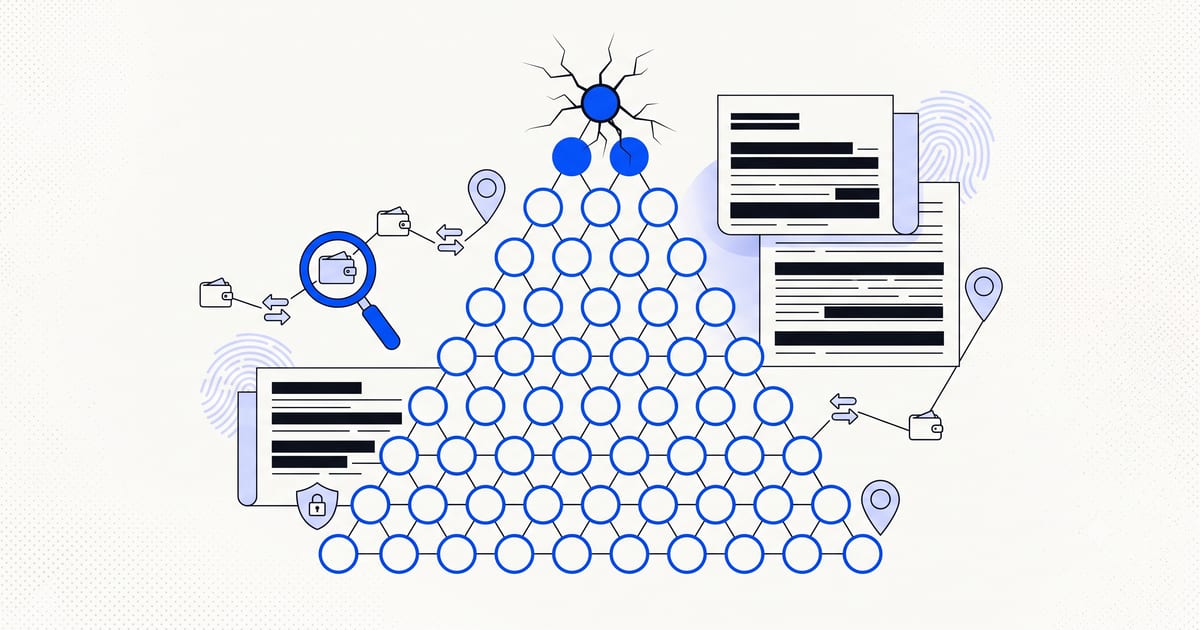
Ponzi and pyramid schemes have existed for over a century, but cryptocurrency has given them unprecedented reach, speed, and sophistication. In 2024, crypto Ponzi schemes cost global victims an estimated $7.6 billion — and the tactics continue to evolve.
How Crypto Ponzi Schemes Work
A Ponzi scheme is simple at its core: early investors are paid returns using money from new investors, not from legitimate trading or business activity. The scheme grows as long as new money keeps coming in, and collapses when it doesn't.
In crypto, Ponzi schemes have several distinctive characteristics:
Guaranteed returns: No legitimate investment guarantees returns. Any platform promising "daily profits", "guaranteed 3% per week", or "risk-free returns" is a red flag.
Opaque technology: Ponzi operators often claim to use proprietary "AI trading bots", "arbitrage algorithms", or "DeFi strategies" that they won't explain. Legitimate investment strategies can be explained clearly.
Withdrawal delays: As the scheme grows, withdrawal processing times get longer. This is the first sign of collapse — the operator is running out of new money to pay existing investors.
Referral incentives: Most crypto Ponzis have aggressive referral structures that incentivise existing members to recruit new ones. This is the pyramid component — profits come from recruitment, not trading.
The Evolution: From BitConnect to DeFi Ponzis
Real ponzi scheme examples make the pattern far easier to recognize than a definition alone — three eras stand out.
First-generation (2015–2019): BitConnect is the textbook example. A lending platform promising 40% monthly returns, with a proprietary token that eventually collapsed to near zero, wiping out $2 billion+ in investor funds.
Second-generation (2020–2022): "Yield farming" and DeFi protocols. Sophisticated-looking smart contracts offering unsustainable yields (100–10,000% APY) to attract liquidity, then "rug pulling" — the developer wallet drains the protocol and disappears.
Third-generation (2022–present): AI-powered investment bots, NFT-backed yields, and hybrid forex-crypto schemes. These are professionally marketed with fake regulatory registrations, fabricated news coverage, and celebrity endorsements (often deepfakes). NFT projects specifically can run either as a pyramid promising ongoing returns, or as a one-time rug pull where the developers simply disappear after minting — see our NFT rug pull guide if that's closer to what happened to you.
Red Flags to Watch For
- Returns that seem too good: anything above 2–3% per month should raise serious questions
- Pressure to recruit others to maximise your returns
- Platform requires you to purchase a proprietary token to participate
- Withdrawal requests require payment of additional "taxes" or "fees"
- Company has no verifiable physical address or regulated legal entity
- Testimonials feature generic stock-photo people or unverifiable claims
- Platform appeared recently but claims years of track record
- You can only see "profits" on the platform — you cannot withdraw them
What to Do If You've Lost Money in a Crypto Ponzi
Act quickly — Ponzi schemes collapse suddenly, and the window for fund recovery narrows fast.
- Preserve all transaction records and platform communications immediately
- File with IC3, the SEC, and the CFTC (all three handle Ponzi schemes)
- Engage blockchain forensics — Ponzi operator wallets are often identifiable and their exchange accounts can be frozen
- Connect with other victims through an investment loss recovery group — a peer or legal-coordination community, not a paid vendor — since class action suits against Ponzi operators have resulted in significant restitution
- Contact CoinTrace Pro for a case assessment — we have specific expertise in Ponzi-related fund tracing
Lost money to a scam?
CoinTrace Pro offers a free confidential case review. Our investigators respond the same day or next business day.
Last reviewed Sep 11, 2026 · Reviewed by our CEH-certified investigation team