The Bitfinex Hack: What 6 Years of Tracing Teaches Us About Crypto Hack Recovery
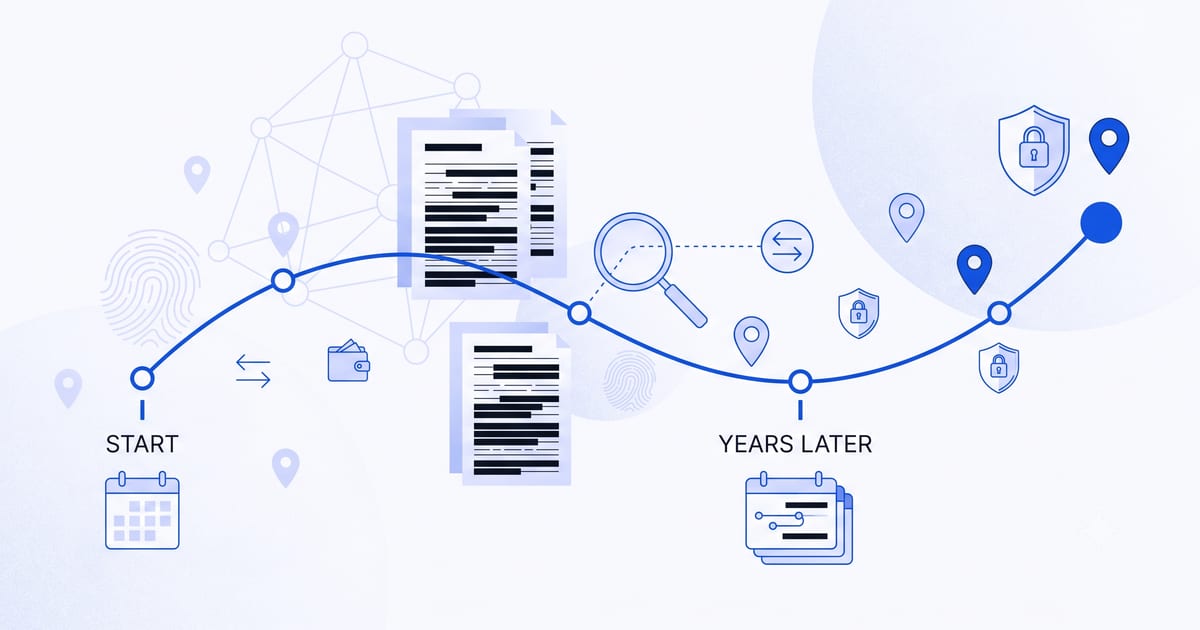
In August 2016, a hacker stole 119,754 bitcoin from the exchange Bitfinex — worth about $71 million at the time. In February 2022, federal agents recovered roughly 95,000 of those bitcoin, worth over $3.6 billion by then, in what the DOJ called the largest financial seizure in its history. The case is the clearest public proof that blockchain tracing works — and a useful, honest lesson in what crypto hack recovery actually takes.
What actually happened
According to DOJ court filings, a hacker used advanced tools to breach Bitfinex's network and fraudulently authorize more than 2,000 transactions, moving 119,754 BTC out of the exchange's systems into a wallet under his control. Bitfinex suspended withdrawals, absorbed the loss across its user base, and began working with law enforcement.
The stolen funds sat mostly untouched for nearly five months before the launderers began moving them — a common pattern in large hacks, since immediate movement is what usually gets noticed first.
Why it took six years
This is the part most "recover your crypto fast" marketing conveniently leaves out: even with federal resources, a dedicated task force, and a fully public blockchain to work from, this case took roughly six years from theft to seizure. The funds moved through layers of transactions, cryptocurrency mixers, non-compliant exchanges, and darknet markets before investigators connected them to a specific couple in Manhattan.
What eventually broke the case wasn't a shortcut — it was patient, methodical transaction tracing combined with a separate piece of luck: a warrant for cloud storage that turned up a file containing thousands of wallet addresses and private keys tied directly to the hack.
The actual recovery mechanism
Two things happened here that are worth understanding if you're trying to recover your own stolen crypto:
- Tracing identified where the funds were. Blockchain analysis followed the transaction trail across wallets and services, even through mixing and layering, to work out where value ultimately settled.
- Legal action is what actually moved the funds. Tracing alone doesn't return money — a criminal investigation, an arrest, a guilty plea, and a court order were what physically got the bitcoin back to Bitfinex. As of early 2025, the U.S. government has been moving to formally return the seized funds to the exchange.
That two-part structure — trace first, then use law and process to act on what the trace found — is the same structure behind any legitimate crypto hack recovery effort, just at a dramatically smaller scale for an individual case.
What this means for your case
If you're researching "bitfinex hack recovery" because you're hoping for a fast answer, the honest takeaway is the opposite: even the most famous, best-resourced crypto hack recovery case on record took years, not days. Individual scam and theft cases are usually smaller and can move faster — our own case timeline runs closer to 3–5 weeks for the investigation and legal-groundwork stage — but the same two ingredients apply: a real trace, and a real legal mechanism for someone (an exchange, a regulator, a court) to act on it.
Be skeptical of anyone who points to a case like Bitfinex's eventual recovery as proof they can get your funds back quickly. The tracing techniques are real and they matter — but the legal process behind any recovery, including this one, is what actually takes the time.
Tracing your own case
Whether it's an exchange hack, a wallet drainer, or a scam platform, the process starts the same way: tracing the transaction. CoinTrace Pro's certified investigators handle that trace, then help you take the legal steps that actually move a case forward.
Get a free case reviewLast reviewed Sep 8, 2026 · Reviewed by our CEH-certified investigation team